%4010x.png)
.png)
Goal:
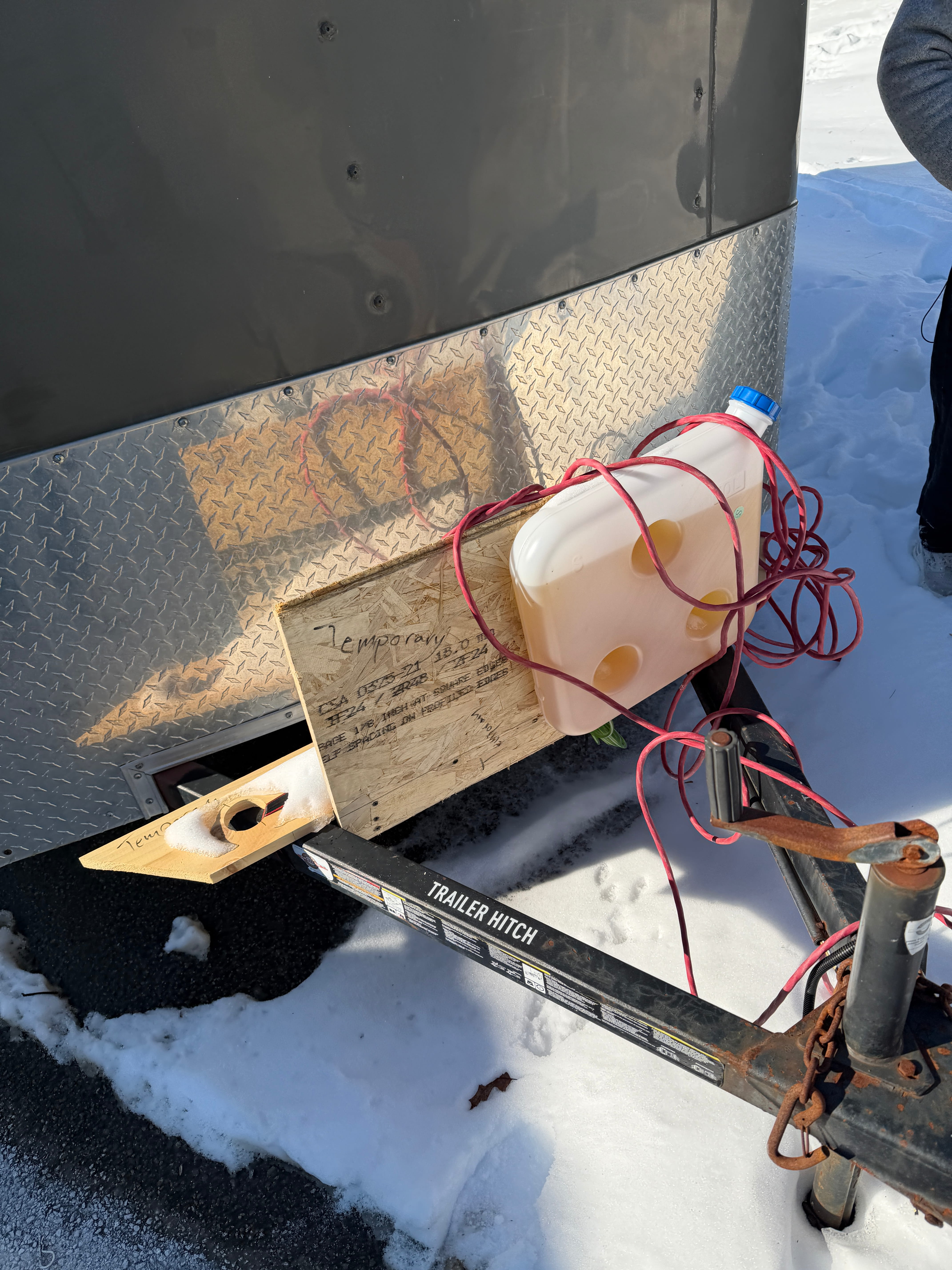
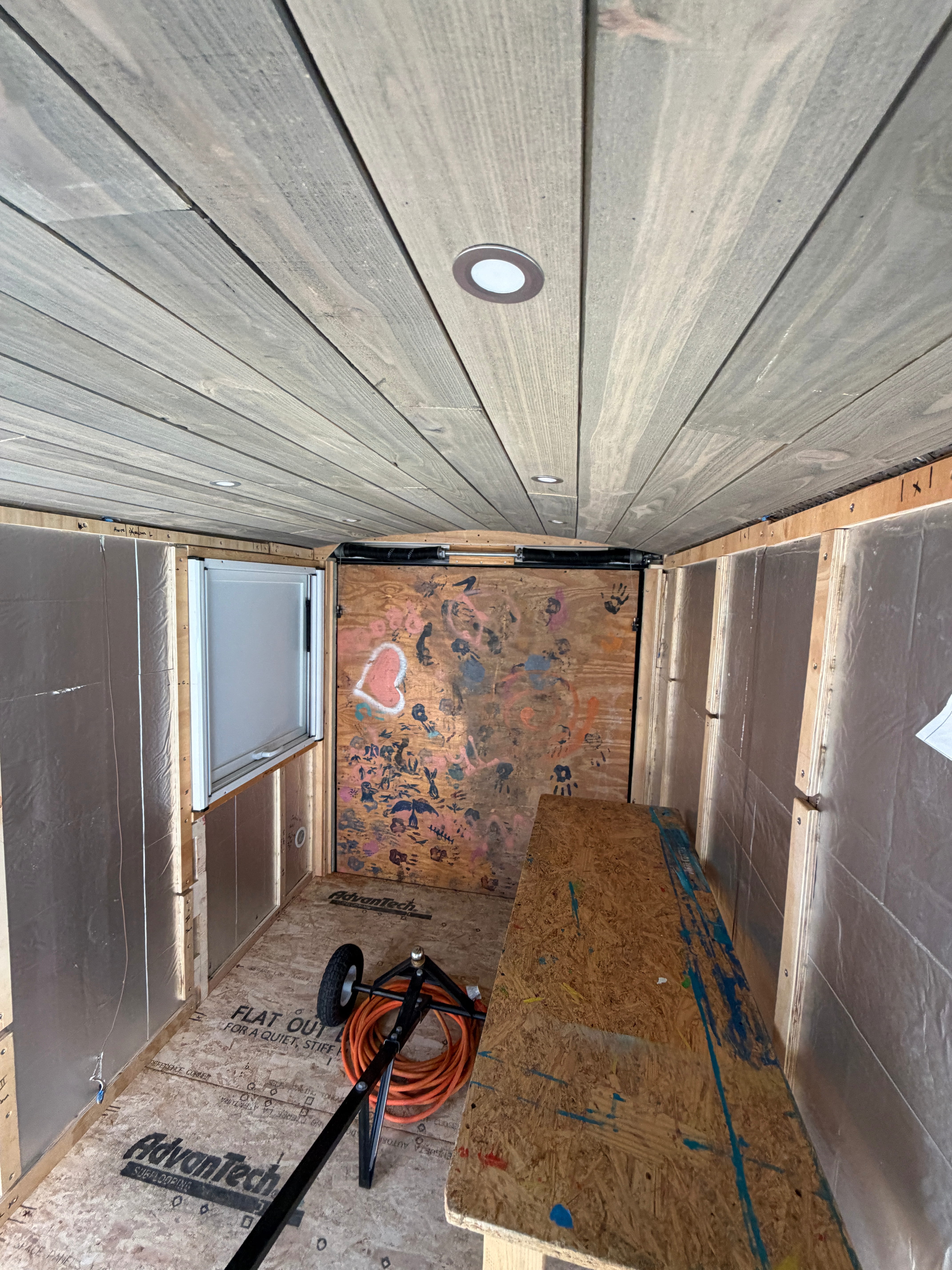
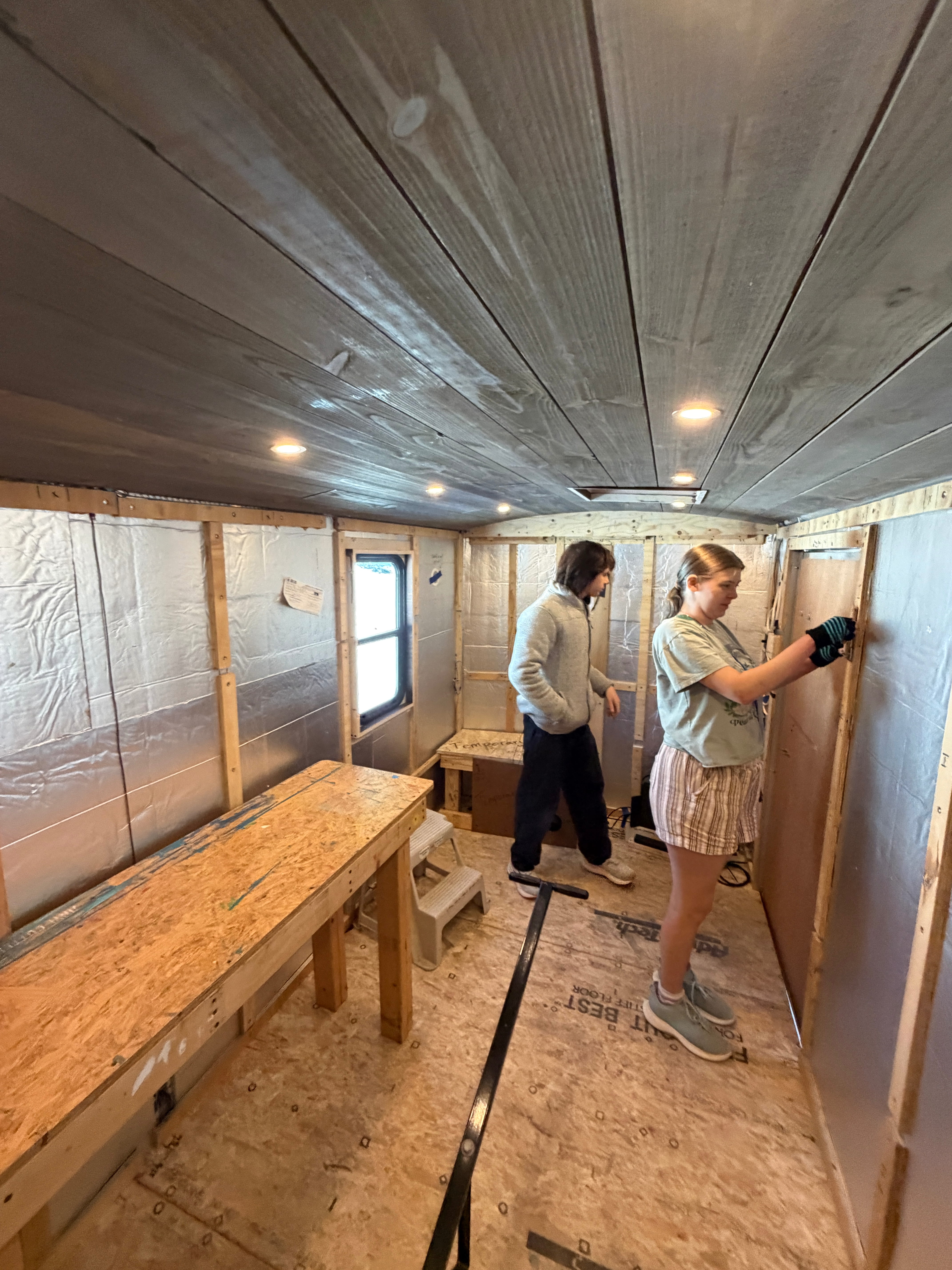
Lead a team of students, alongside Olin alumnus Jeremy Skoler, to transform an unused twelve foot by five foot trailer into a fully functional mobile research lab for the Pl(ai) Lab. The vision is to bring inclusive technology research directly into surrounding communities by creating a flexible and accessible space that supports ethnographic research, interviews, and product testing. This includes an interactive exercise game for older adults on an iPhone, a conversational AI assistant, a voice assisted medical form system, and many new projects the lab continues to develop. At the heart of the work is transforming the space from a bare trailer into a controlled research environment.

EchoMinds used a retrieval-based AI model that allowed users to search and return exact written content instead of generating new text. This approach emphasized privacy, trust, and reliability for users who preferred tools that supported rather than replaced their input. The app featured speech input, customizable color modes, and full VoiceOver integration, all organized around a simple hierarchy of folders, notebooks, and notes. These choices made the experience intuitive for both screen reader and low vision users while keeping the interface clean and approachable.
.png)
Challenges:
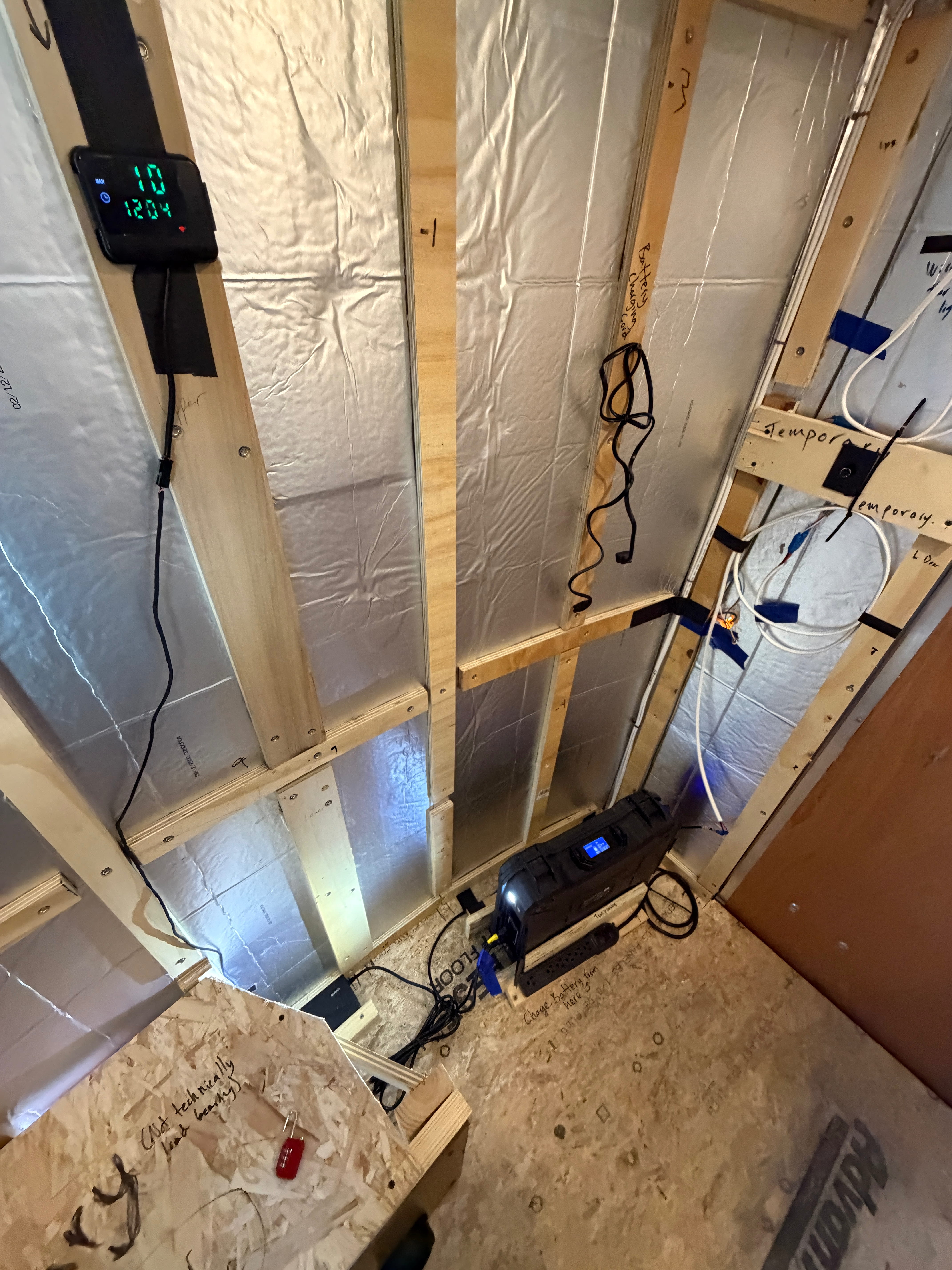
Turning such a small footprint into a neutral and professional research area has required careful technical and creative decisions. The space must be inviting and comfortable while avoiding anything that interferes with testing. Materials affect acoustics, which impacts our voice technologies. Lighting changes user behavior, so it must be soft enough for comfort but consistent enough for research. Storage and layout choices affect accessibility and safety. Working inside a moving trailer adds even more constraints, including vibration, temperature changes, and limited wall structure. I have focused on mechanical design, CAD modeling, layout development, and manufacturing coordination. This includes creating full scale tape mockups to test accessibility and movement, designing modular fixtures, and translating sketches and ideas into detailed CAD assemblies ready for fabrication.
.png)